Even the best maintenance regimen can’t insure a perfect lawn. Heavy shade can cause thinning. Disease can take its toll. Grubs can eat away roots without you knowing. Or maybe, the mail carrier and everyone else wears a path with their shortcut to the porch. Whatever the reason, repairs are a normal part of keeping your lawn looking its best. The optimal time is the fall, next is spring, but any time can work if you’re vigilant with watering.
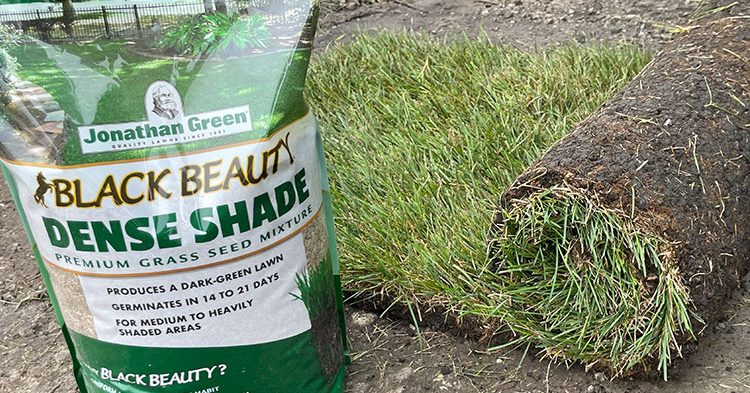
The first thing you have to do is decide whether you should use sod or seed. Sod is a quicker fix but shouldn’t be used in dense shade. In those areas you need seed that specifies it is good for shade. Most sod is 100% bluegrass, which loves full sun. Shade seed mixes usually have a high percentage of various fescues.
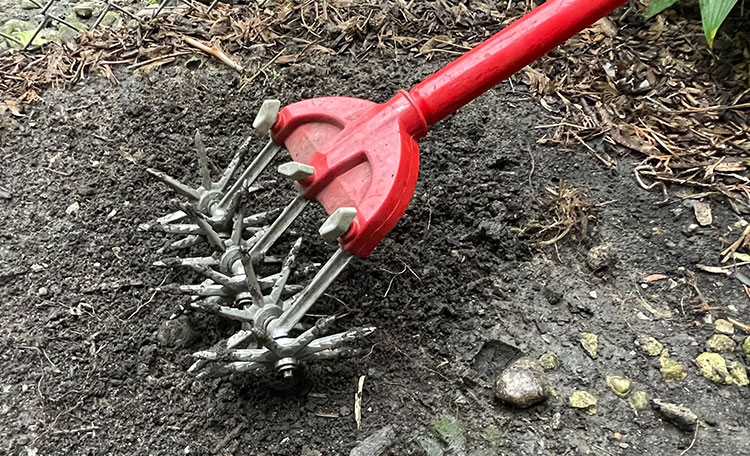
Before you plant you need to do some soil preparation. A Garden Weasel is a great help for small areas. It’s a tool with multiple 3” spikes that you roll over the bare ground till it is loosened enough for roots to easily access the soil. A less labor intensive option is to spread a layer of pulverized top soil in the areas that need renovation.
Now you are ready to throw a little starter fertilizer on the area. I use a 13-13-13 blend. Just make sure that you have a fertilizer with a strong middle number. That number tells you the percentage of phosphorus which aids root development. Note: turf fertilizer that is used routinely to feed your lawn, by Illinois law, does not have any phosphorus.
With the ground prepared and fertilized, it’s time for you to cut and lay sod or spread grass seed. When seeding, it’s good to cover it with a thin layer of sphagnum peat moss or a paper-based mulch to help with moisture retention. If it’s a larger area you should consider covering it with a straw matting to minimize erosion. Lastly, press it down a bit with your feet or if it’s a large area you may need to use a lawn roller.
Consistent watering is the key to success for both seed and sod. Light, frequent watering keeps the soil moist without washing away the seed or making the ground soft and mushy. If you take care of it like you would an infant that needs constant, careful attention, you will be rewarded with beautiful turf in about 3 weeks for sod and about 6 weeks for seed. Neglect it, and you may have to start over.